
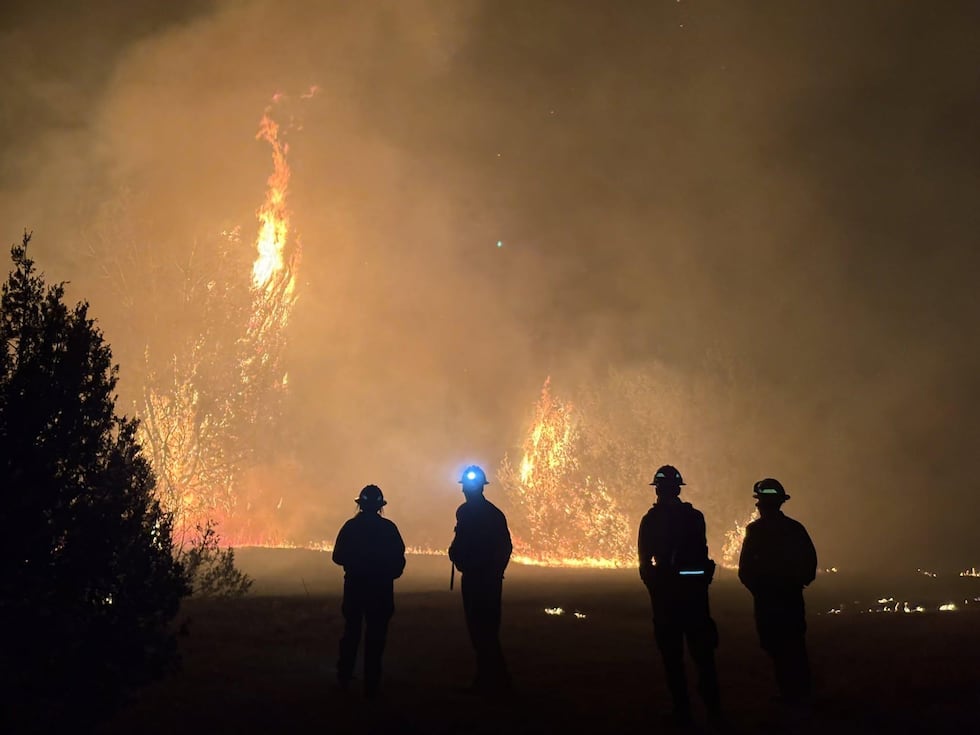
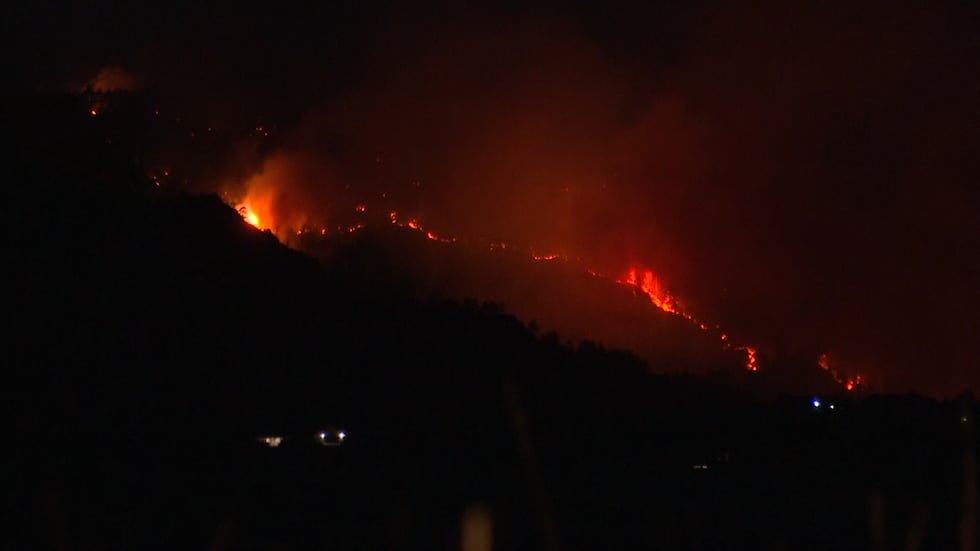
COLORADO (KKTV) - The Aspen Acres Fire has been the defining story this July. It prompted thousands of evacuations, destroyed hundreds of structures and homes and as of the time of publication it was still estimated at 101,928 acres.
More than a month after sparking on June 29, the fire was sitting at 66 percent containment. Experts say shifting weather patterns make it difficult to set a timeframe for when the fire will be completely out.
Full recovery will likely take years, according to Micki Trost with the Colorado Division of Homeland Security and Emergency Management.
“Some of our fires have taken five to 10 years while they not only rebuild but also deal with impacts of flooding after the fire, which unfortunately we are already seeing today in the Beulah area,” said Trost, speaking on July 28.
With all mandatory evacuations lifted, the question now is what comes next for the impacted communities. This month’s Big Story explores the longer-term recovery process for the landscape, the communities impacted and the people rebuilding.
The Timeline
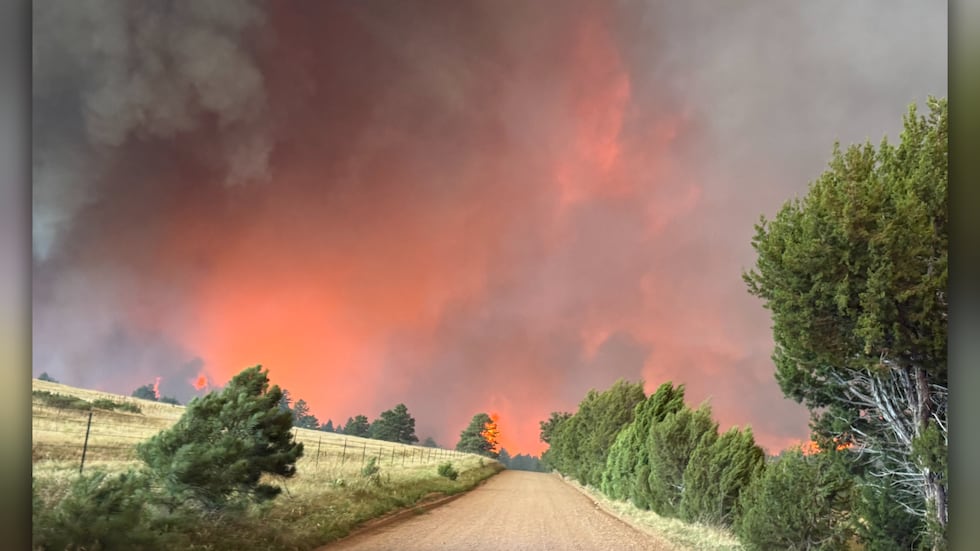
The Custer County Sheriff’s Office declared an emergency fire evacuation in the Aspen Acres area at 6:24 a.m. on June 29.
Evacuation orders expanded over the course of the day, spilling into Pueblo County and impacting Beulah, as well as Rye and San Isabel in Custer County. As of 9:55 a.m., the fire was burning on 362 acres.
Governor Jared Polis verbally declared a disaster emergency and authorized the mobilization of the Colorado National Guard. By the night of June 29, the Pueblo County Sheriff’s Office said the fire had exploded to 23,123 acres at 0 percent containment.
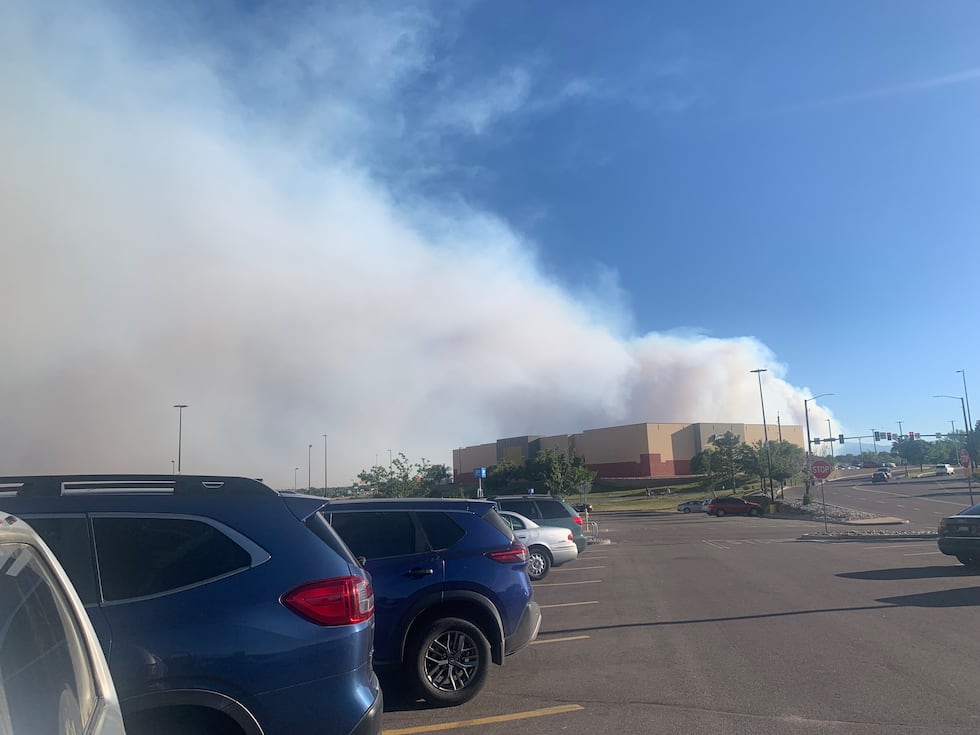
More than 4,200 people evacuated over the course of the first day of the fire.
That included Bishop Castle, with caretaker Daniel Bishop tracking the fire changes from a hospital room in Colorado Springs. He had suffered a severe fall just days earlier while working on a building near the castle.
11 News spoke with Daniel’s wife and co-caretaker Connie “Sage” Bishop that afternoon. The interview ended when she received the order to evacuate.
That evening, the Federal Emergency Management Agency (FEMA) authorized the use of federal money to fight the blaze.
The Alaska Complex Incident Management Team 1 assumed command of the fire two days later.
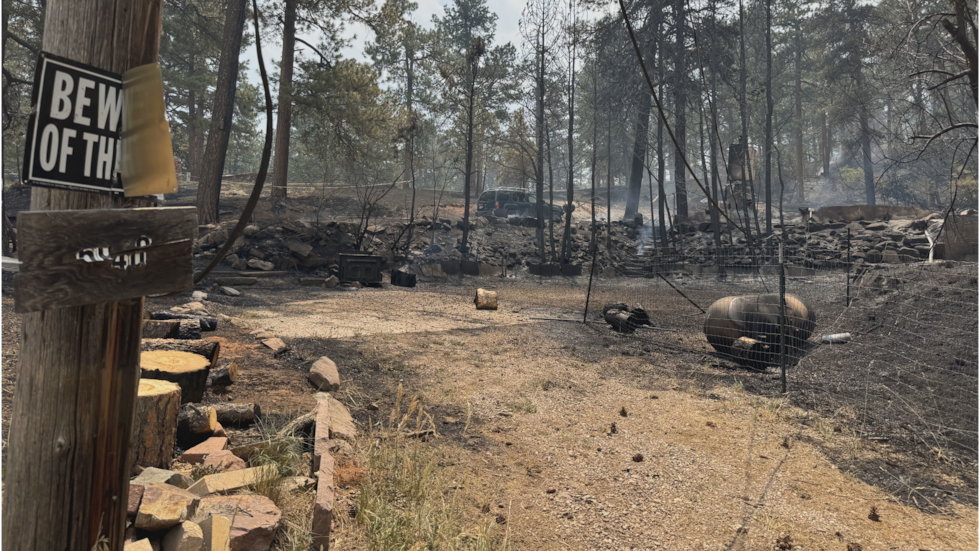
Jordan Clark and Coza Mendoza spoke with 11 News on July 2 after losing their home in Beulah. They had planned on raising their newly adopted son there.
“We got his room ready, we bought all this stuff for it,” Mendoza said. “We painted his walls. He had a new bed.”
By the morning of Friday, July 3, the fire was burning on 66,896 acres with no containment. That day, Daniel Bishop and his younger sister Donita Bishop reflected on the struggle of watching the fire from a distance.
The next day, as people across the country celebrated Independence Day, the fire hit 6 percent containment, burning on 86,983 acres.
Both containment and the size of the fire grew in the coming days. As of July 7, 81 homes had been destroyed in Custer County and 185 had been lost in Pueblo County.
While those numbers grew over time, evacuees were returning home in some areas over the course of the week.
Colorado Senators Michael Bennet and John Hickenlooper toured the impacted areas July 10.
At that point, Pueblo County Sheriff David Lucero highlighted the loss of more than 250 homes in the county, saying, “Behind every one of those numbers is a family, cherished memories, and a lifetime of hard work. Our hearts go out to every person who has suffered such a devastating loss.”
While the blaze expanded to more than 100,000 acres on July 17, more and more people were returning home. Progress was not linear, with mandatory evacuations brought back in parts of Custer County on July 20.
By Saturday, July 25, all evacuation zones had been downgraded to either a pre-evacuation or “cleared” status.
As of publication, the fire response is ongoing.
The response
From very early on, communities stepped up to support each other.
The Red Cross, the United Way, and other nonprofit organizations stepped in to provide a range of support. The Royal Gorge Route Railroad launched a matching donation campaign.
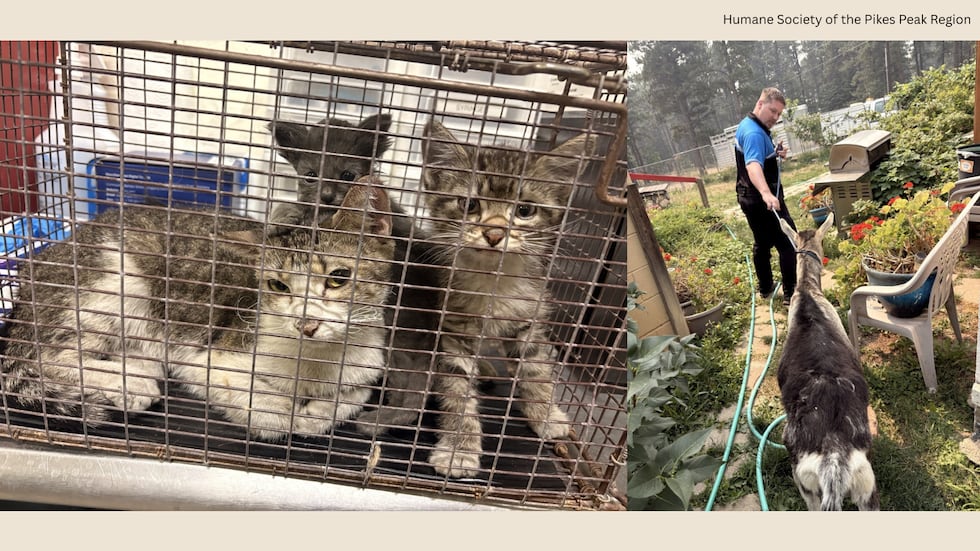
The Humane Society of the Pikes Peak Region’s Community Animal Response Team worked to rescue, shelter, and care for animals displaced by fire.
A taco truck from Colorado Springs gave away free burritos to people impacted by the fire.
State Representative Tisha Maura, House District 46, was home in her district when the fire started and reflected on the community response.
“One thing that quickly happened is Pueblo County rallied behind these communities and offered support in any way they could,” said Mauro. “That’s from businesses supplying firefighters with food and water and things of that nature to people opening their doors for people who had to be evacuated. The state fair played a great role and did a great job with their animals.”
On June 29, the Federal Emergency Management Agency (FEMA) authorized the use of federal money to help with the wildfire response.
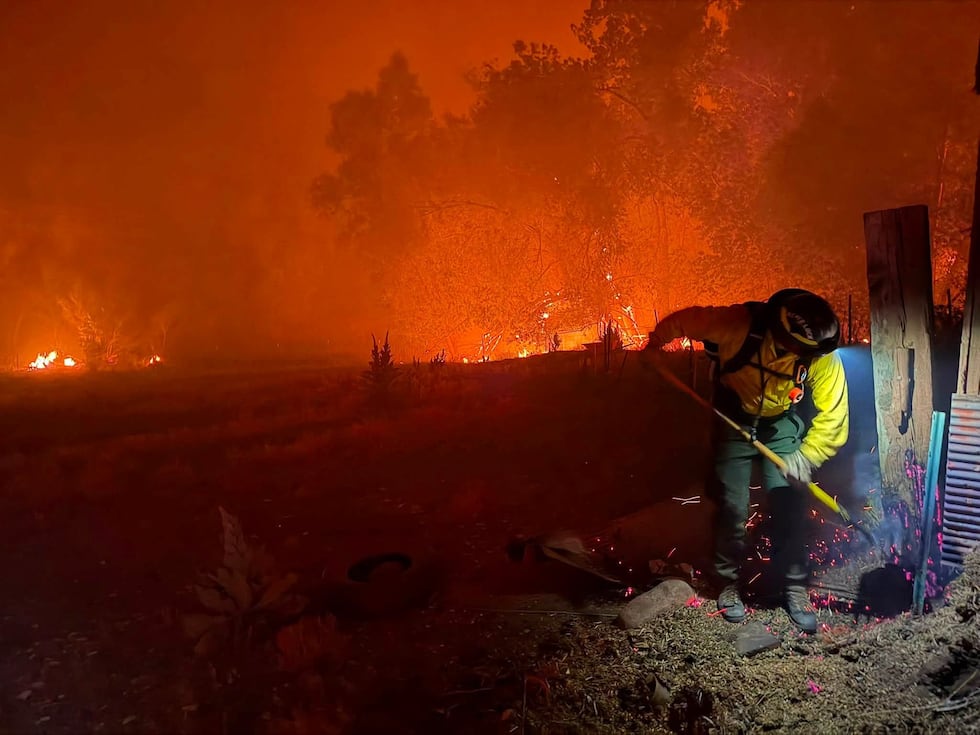
Those FEMA funds cover 75% of the state’s eligible firefighting costs. That includes field camps, equipment, mobilization of emergency crews, tools, materials and supplies.
The governor’s emergency declaration, also on June 29, activated the State Emergency Operations Plan to fight the fire. Micki Trost with the Colorado Division of Homeland Security and Emergency Management said the verbal declaration opened up funding for a range of fire-related efforts.
“That’s that emergency management side of sheltering, providing support to the local emergency operation centers that are leading the evacuation efforts, the sheltering efforts, the recovery efforts,” said Trost.
A more recent written declaration and an executive order opened up more funding from the state to cover the cost of the response.
11 News asked about potential individual assistance for people impacted.
“The hard part with recovery is there is no specific timeline,” said Trost. “We know that it’s going to take many years and to rebuild and get communities back to a new type of normal, get people back into their homes and communities. But the state has 30 days after the end of the incident. We don’t yet have an end to that incident.”
The work being done now is largely damage assessments through state and county staff, as well as FEMA, the Small Business Administration, and Colorado 211.
Those organizations put the results of the assessments together to request a package of individual assistance. The application includes information about individual home losses and broader infrastructure damage.
That includes looking at “impacts to our roadways, our water systems, any of that public infrastructure and again documenting the extent of the damages, the cost to rebuild those uninsured losses.”
Ultimately, the decision to release disaster funds goes to the president. President Donald Trump denied a major disaster declaration request from Colorado in 2025.
Trost said it is really important to build the best case possible for federal relief because “if it is denied, we only get one chance to appeal it and it has to be with new information.”
Representative Tisha Mauro (D) said the federal funds Colorado has already received are vital to the response.
“Pueblo County’s budget is, you know, struggling and has been struggling for years,” said Mauro. “So, if we have to rely solely on the county, we know the state’s budget is also strained, and we’ve been having to make cuts over the last, you know, two to three years, and we see that in our future. It’s incredibly difficult to navigate this kind of emergency in a great way without those federal dollars.”
Moving forward
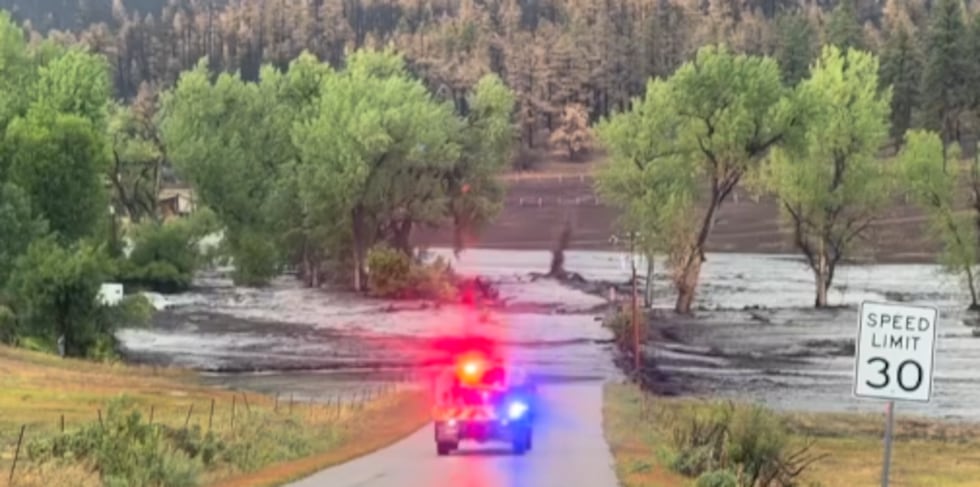
Flooding over burn scar areas is already impacting people who have returned home after fleeing the fire.
Jamie Krezelok, a team leader with the Burned Area Emergency Response Team, said about half the area that burned hit high to moderate soil burn severity, which increases runoff from rain and increases the risk of debris flows.
This map, shared with 11 News, shows the level of burn severity across the region:
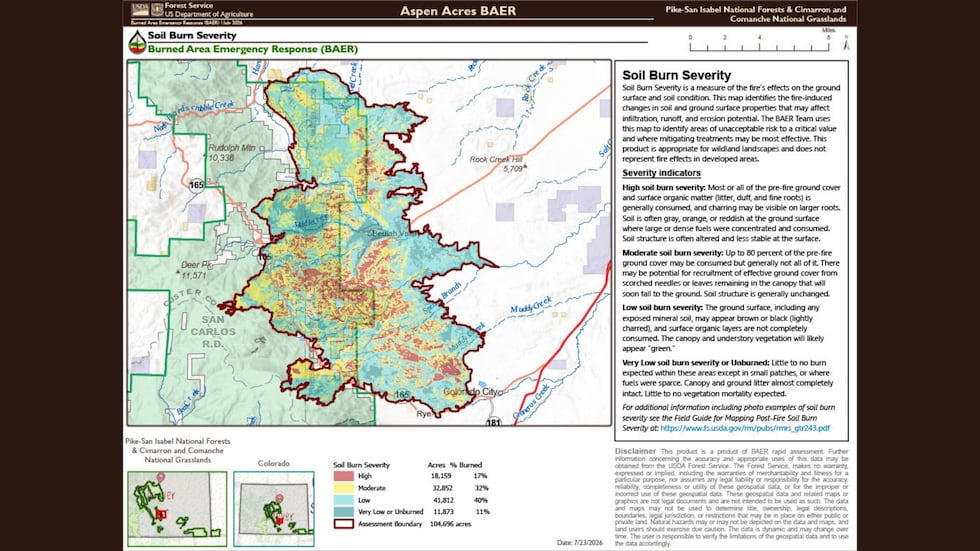
Steep rocky canyons with high soil burn severity upstream present the greatest burning risk.
“The scary part about flash flooding is that it can be raining, you know, far upstream; it may not be raining where you are, and effects will come downstream,” said Krezelok.
She said the drainage areas for Squirrel Creek, Middle Creek and North Creek saw higher burn severity and were at particular risk of flooding.
In higher flood-risk areas like those, Krezelok said it can be valuable to prepare for situations where you will struggle to travel. That might mean keeping extra medication on hand in case a bridge is damaged, preventing you from accessing your usual pharmacy.
Trost said it is especially important for people to secure flood insurance to go along with their basic homeowners policy. Basic policies do not cover floods, landslides and mudslides.
“You’re in a different environment, a different landscape and there may be things that you aren’t used to dealing with because everything has changed around you,” she said.
Krezelok echoed that sentiment, saying “You’re living in a changed condition. So what used to be a small thunderstorm may be more of a... big event coming through your area.”
In the recovery process, government assistance does not duplicate the coverage provided by insurance.
“Your homeowners insurance is always the primary and first method for rebuilding and for recovering,” said Trost.
That means documenting all damages is especially important. Wildfire insurance often includes Additional Living Expenses (ALE) and that can help with issues related to wildfire but not specific to property damage.
Kate Harris, the chief deputy commissioner for the state’s Department of Insurance, said people who were displaced from their homes can show they were “incurring additional expenses to live and work and, you know, perhaps commute farther, for example, or find care for their pets or whatever expenses they’re incurring that are due to being out of their home.”
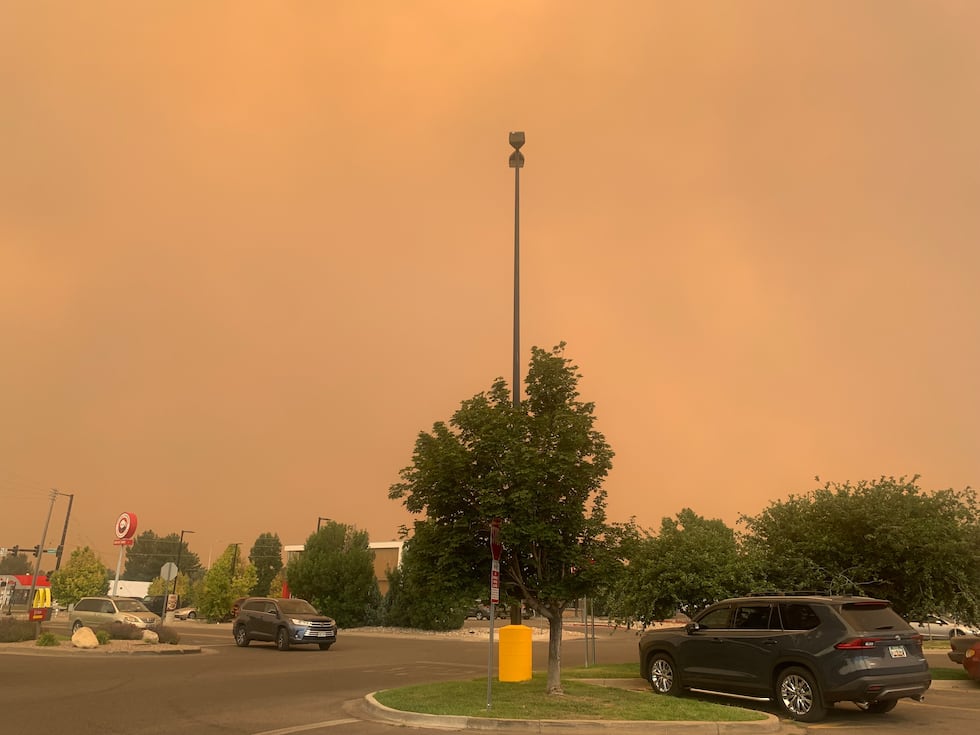
There are also resources available for dealing with the health impacts of wildfires. In a release on July 13, American Medical Response reported a 50% increase in respiratory calls.
“We also are opening up what’s called a special enrollment period for people impacted by the fires, and if they don’t have health insurance, so that they can come into the marketplace through Connect for Health Colorado and get enrolled,” said Harris.
More information about signing up for health insurance is available here.
Colorado Insurance Commissioner Michael Conway said Colorado law requires insurers to offer at least 65% of personal property coverage upfront after a total loss, before a full inventory is completed.
The remaining 35% could require more detailed documentation depending on the company.
If you have concerns that your insurance coverage is not covering what it should based on your policy, you can make a consumer complaint here.
For people who aren’t sure if they have enough photos to document their damage, they can reach out to friends and family to get additional pictures.
Moving forward, Trost said it was important to stay connected with emergency management, sign up for emergency alerts, visit recovery centers and look for the resources available from verified nonprofits.
Moving forward, Mauro said issues that predate wildfire damage can get worse for a time.
“A big problem, particularly in Beulah, is they’ve been short, they have had water shortages for years now,” said Mauro. “Going forward, because what little they have, they live off of wells and they have other resources as water goes, can be damaged in these fires, and they’re very costly to fix or replace.”
While increased ash and sediment can pass down water channels, Krezelok said that is a short term issue and municipal water supplies can shut down intakes at certain times to avoid water issues.
Already, Krezelok said ecosystems are starting to change, with gambel oak resprouting in some areas, including places with higher burn severity.
“Many of the plants are adapted to fire and so they resprout fairly quickly,” said Krezelok. “Meadows and riparian areas will come back very quickly. Even next year, and even right now, we’re seeing things starting to look a little green in some areas.”
Areas that burned more severely, and especially steep rocky sections, are likely to see the longest recovery times. Krezelok said it usually takes three to five years for ecosystems to return to their state prior to the wildfire.
This story was built on reporting from the whole KKTV team. Past Big Stories covered dought and wildfire danger and cost of living in Colorado.
Copyright 2026 KKTV. All rights reserved.